EBIOCARB.MOD
From biogenic carbon to the production unit
Accelerate through modeling and advanced simulation
Coordinated by
partners
months
budget
Challenges
Objectives
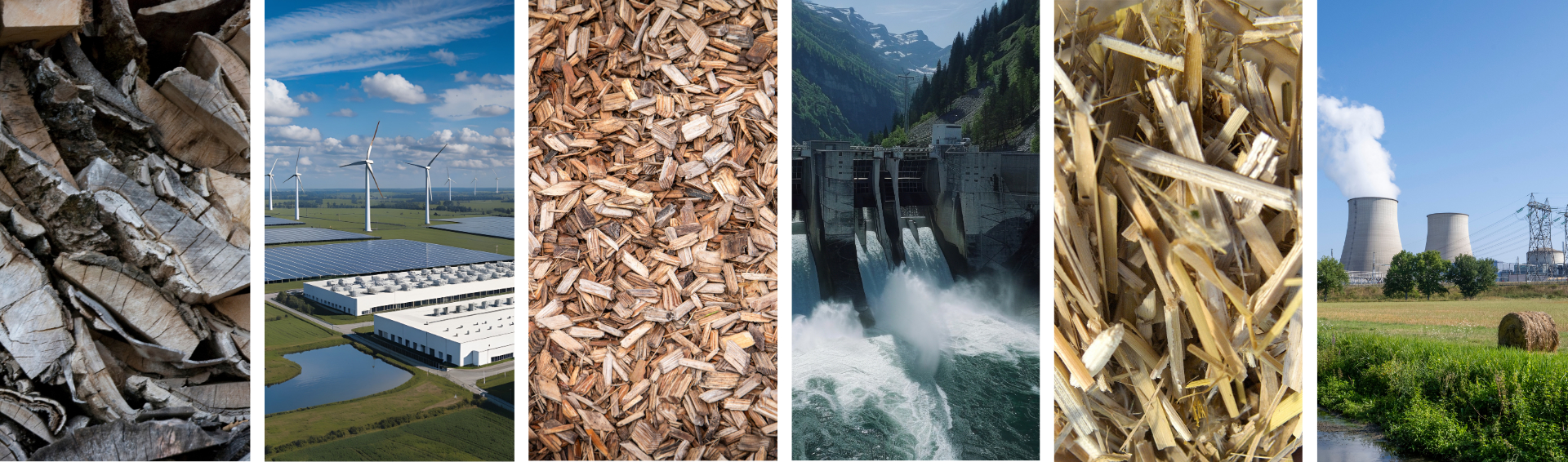
The challenge of the project is to propose technologies or technology sequences that maximize yields (energy, materials), reduce costs (capital and operating) and manage intermittency (variable energy and carbon resources).
The European Union has set a structuring direction with the ReFuelEU Aviation regulation which requires 2% SAF (Sustainable Aviation Fuels) in 2025, 6% in 2030 (including 1.2% e SAF) and, in the longer term, 70% in 2050 (including 35% e SAF), and ReFuelEU Maritime which requires a reduction in carbon intensity of 2% in 2025, 6% in 2030 and 80% in 2050.
This project focuses on:
- multi-scale and multi-physical simulation and modeling (from reaction mechanisms to processes and systems),
- risk and safety analyses, development of experimental platforms, incorporating the notion of “right sized need”.
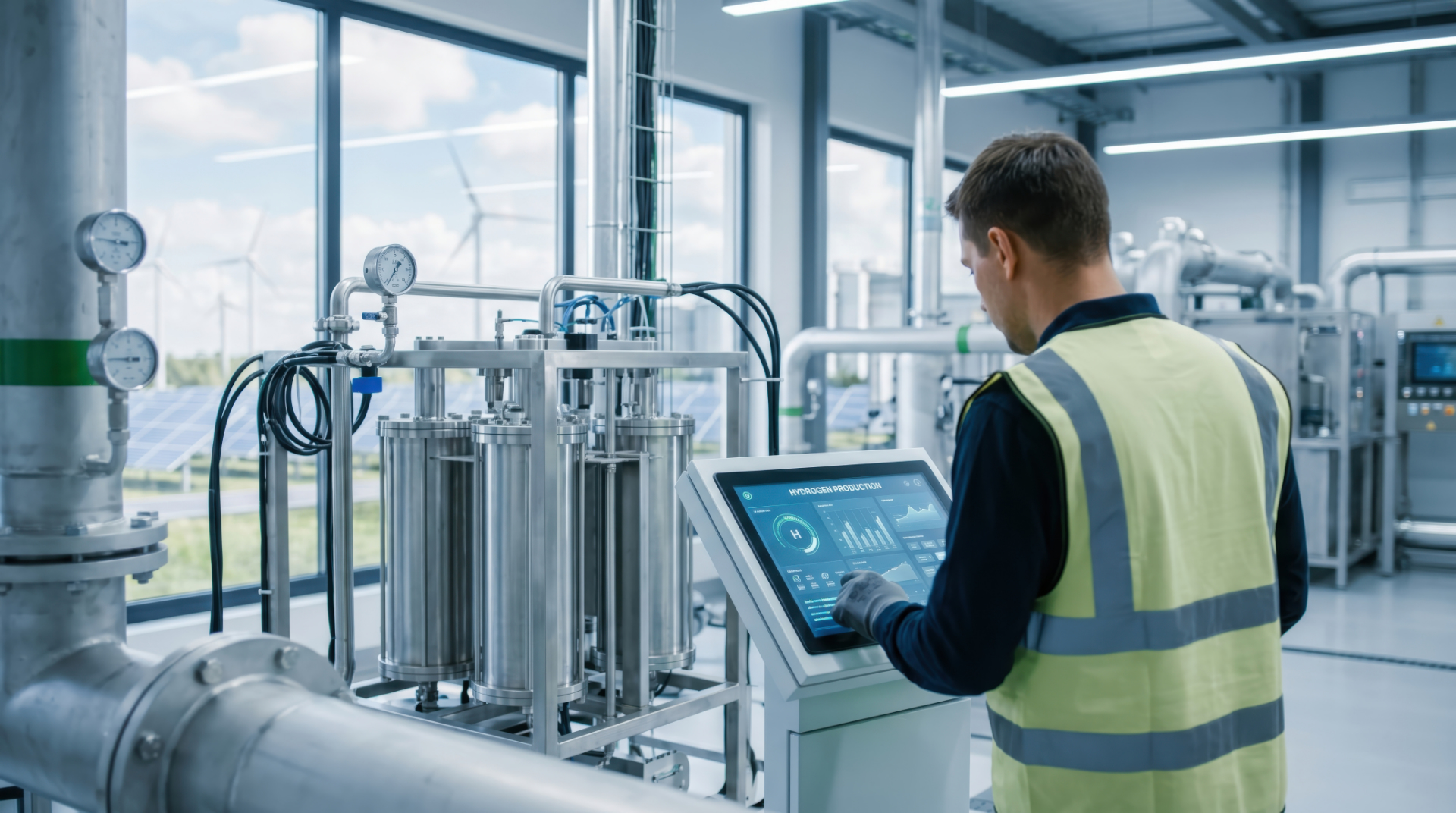
The close coupling of modeling and experimentation will help mature promising technologies that are flexible with respect to inputs (various biomasses, intermittent electricity).
Axis 1
Evaluation of production chains
- Develop a multi-physical and multi-scale simulation approach of material at the plant level
- Validate a multi-scale simulation framework linking physico-chemical phenomena and system performance

Axis 2
Experimental tools platform
- Improve understanding, design and validation of predictive models through experimental equipment
- Set up a platform for data acquisition, validation and prototyping of technologies for scaling up to industrial pilots
- Provide targeted technological improvements on processes
The complementarity and interaction between the multi-scale modeling approaches developed in Axis 1 and the experimental toolsets supported by Axis 2 are articulated across 4 work packages.
WP1 federates the various data acquisition and modeling works upstream in the chain for optimized syngas production, integrating resource variability and integration into a process chain that maximizes resource valorization.
WP2 explores breakthrough technological bricks for syngas conversion, enabling production of final or intermediate products such as alcohols (methanol, ethanol, …) and hydrocarbons produced by Fischer‑Tropsch synthesis.
WP3 develops tools for selecting flexible and robust process chains by integrating existing knowledge and new data to be acquired in WP1 and WP2. This integration allows optimization of e‑biofuel production systems according to carbon yield objectives, production cost and robustness.
WP4 provides partners with a data management infrastructure to capitalize on generated data and facilitate collaboration between teams.
Consortium
More projects